The way we think, learn, and act has changed enormously in the past couple of years. The change was slow, going at its own pace from classroom to blended to online education in both the corporate and educational sectors. Many were still believers that classroom learning was the best, and perhaps only way to impart education. In fact, before the COVID-19 pandemic in 2020, many industries were not at all comfortable with adopting online learning. The reasons could have been budget, workforce bandwidth, acceptance from management, time commitment, return on investment, or anything which was preventing experimentation in the space of learning and technology.
Social distancing became prevalent due to the COVID-19 pandemic and pushed entire economies, including those of underdeveloped, developing and developed countries, to think creatively and to go virtual. Yes, virtual is the new normal now! This new world-shaping event has introduced us to a new era of human interaction. Learning does not know any geographical boundaries. Easy and affordable virtual systems and applications like Moodle, Google Suite, Kahoot, and Webex are making learning and education accessible to all.
With social and physical distancing, lockdowns and quarantines, millions of professionals, who are now working from home, are choosing to learn skills that will help them navigate the changing times. Distance education, which had often been a point of debate in past years, has now become the new norm. As L&D professionals, we are busier than ever transitioning learning from a non-digital to digital mode.
There are some formal and informal ways where Learning and Development have played a vital role in creating this new norm to meet the demands of changing times.
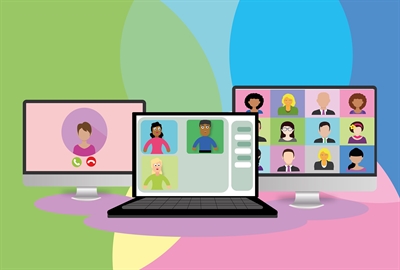
Virtual Acceptance: Many professional and educational institutions have now realized the power of the digital world through various eLearning platforms. They are introducing online skill-building courses and revamping their existing curricula, making them more user friendly. By setting up work from home policies for their staff, organizations are creating new learning paths for their teams. They are fostering an influential learning culture by constantly introducing virtual dialogue forums, and online classes with or without instructors. Online presentations on tools like Zoom and Skype and webinars through Microsoft Teams are encouraging thought exchange among people in a rapidly changing workplace.
Live Virtual Sessions: Experts and seasoned professionals have recognized the impact of physical distancing and its effect on emotional and mental well being. Quick tip open sessions and one-to-one counselling on LinkedIn Live to deal with the crisis have become a new buzz on social networking sites. Live sessions provide a real-time opportunity to ask questions, or to like or comment on the virtual session.
Online Conferences: I recently attended a virtual two-day Learning and Development Conference hosted on Crowdcast. I was surprised to see hundreds of people joining the conference from different parts of the world at the same time without any technical issues. The sessions were not a monologue, instead, they were highly interactive. Participants asked questions, co-facilitated, interacted with fellow participants, could leave comments, all at the same time.
Re-emergence of MOOCs: Massive Open Online Courses are a decade-old trend. But what I see today is increased popularity, credibility, and acceptance among professionals. Students and professionals proudly showcase completion badges on their professional networking pages. There are many MOOC [https://www.mooc-list.com/] providers which are continuously enriching their curriculums to provide the latest learning content at subsidized rates to its subscribers
Online Schools: Have you ever thought of having the entire education system go online? There has always been a debate on the relevance of online education versus classroom education. But the COVID -19 pandemic has forced global experimentation with remote teaching. Teachers are finding new ways to impart knowledge through creative and engaging methodologies on virtual platforms. Schools are now working hard to revamp their course management systems to bring participative learning.
Conclusion
MOOCs, online schools and webinars through Webex already existed earlier but were not popular. Live virtual sessions through LinkedIn, virtual collaboration through Zoom and Microsoft Teams, and virtual conferences were in nascent stages of development. However, the current crisis forced these new forms of learning to explode in popularity. As a result, a chain of events has been set in motion that has made these forms of learning the new norm rather than just alternatives to traditional classroom learning.
References
What the Shift to Virtual Learning Could Mean for the Future of Higher Ed.
Corporate Learning and Development During the COVID-19 Pandemic.
3 ways learning has become core to the new world of work.
Tags: designing learning experiences MOOCs online conferences online learning online schools
Share | Facebook X Email LinkedIn Permalink | Comments (0)